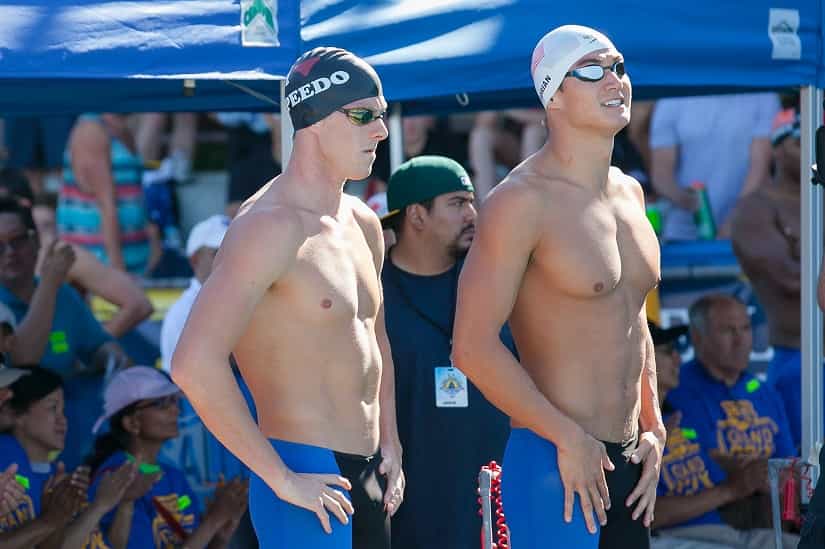
How to Set Process Goals Like Olympic Champion Nathan Adrian
Here is how Olympic champion Nathan Adrian masters the process so that he can achieve his goal of executing the race of his dreams.

Here is how Olympic champion Nathan Adrian masters the process so that he can achieve his goal of executing the race of his dreams.
Here are 3 critical keys to making mental training effective in competitive swimmers of all ages.
Despite the popularity of mental training over the past couple decades there are some reasons not to try it that persist on our pool decks. Here are the 5 most common ones.
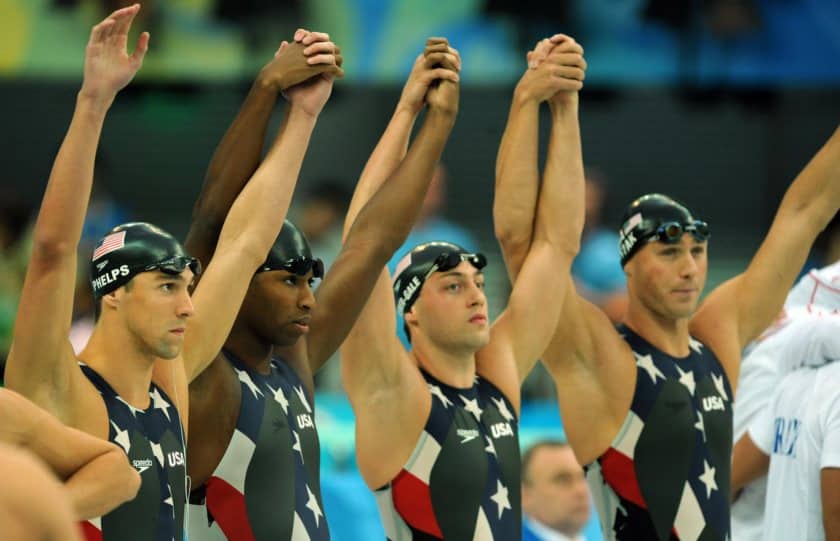
For Jason Lezak and the Americans the story-line couldn’t have been more perfect. That summer in Beijing, on the first night of swimming events at
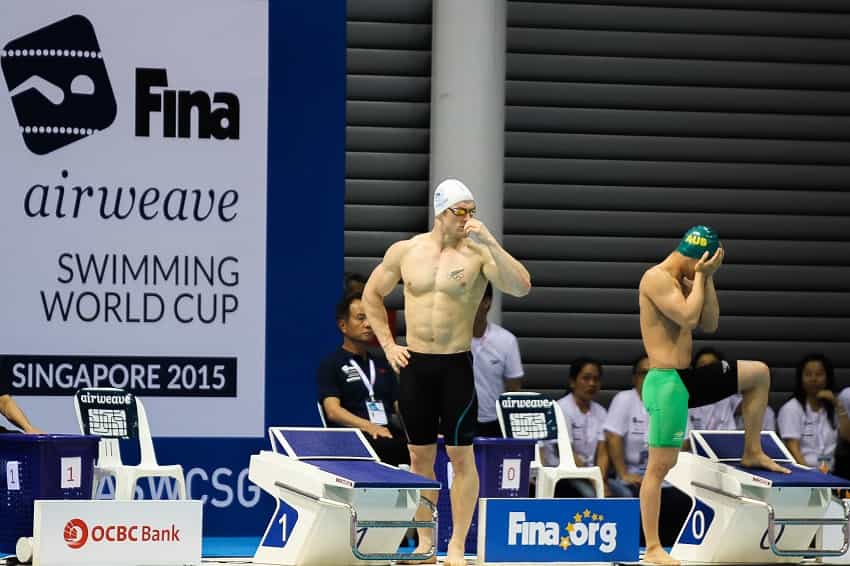
It’s inevitable. At some point over the course of your swimming career things will go sideways on you at a time when you expect and
Coaches and great swimmers often talk about how critical the mental side of the sport is. That big races are often decided by who wants it most or who is mentally toughest.
Want to power up your sprinting? Develop some more drop-dead power? Here’s how dropping the flag-to-flag drill into your workouts will give your sprint speed a boost.
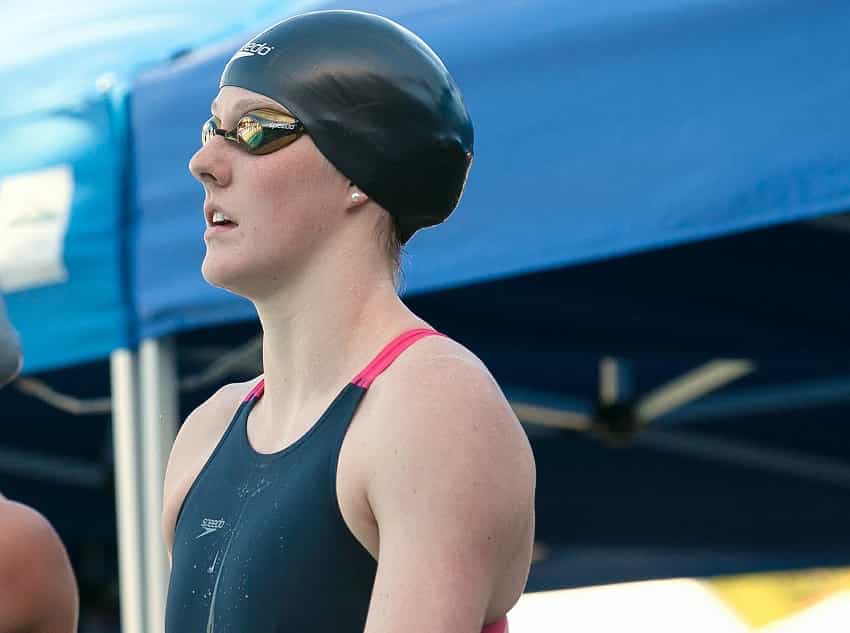
Here is a breakdown of Olympian Missy Franklin’s favorite backstroke drill, the water bottle balance.
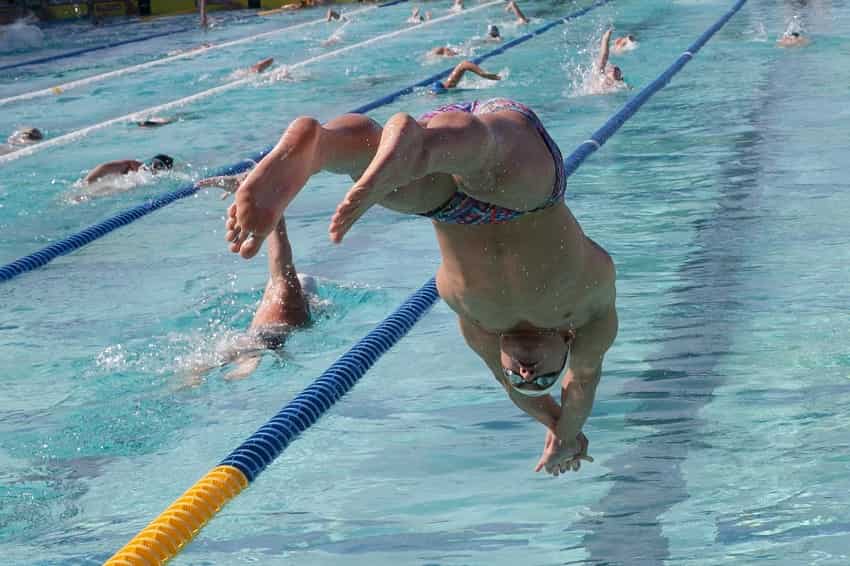
2012 Olympic gold medalist Nathan Adrian is a monster. Both in physical terms–6’6″ and anywhere between 225-245 pounds–and raw power in the weight room Adrian
No matter where you are at in your own swimming career you can always use the advice from those who have come before us, who